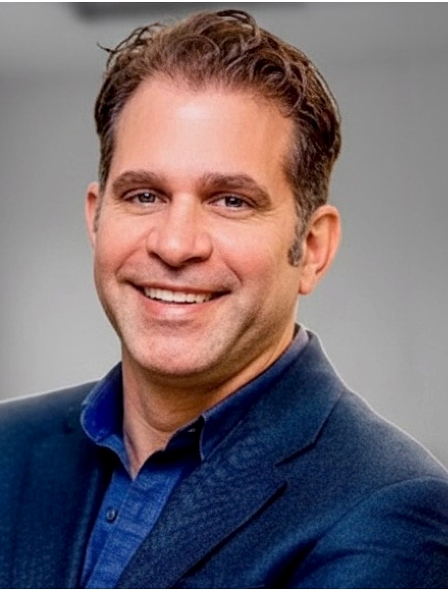
mRNA therapeutics and Cardiac regeneration
Dr. Lior Zangi’s training spans tissue engineering, immunology, and regenerative biology, including a PhD from the Weizmann Institute and postdoctoral research at Harvard University, where he first demonstrated the cardiac regenerative potential of modRNA in vivo.Over the past decade, Dr. Zangi and his team have optimized the preparation, delivery, and translational control of modRNA to enable safe, transient, and tissue-specific gene expression in vivo. They developed Selective modRNA Translation systems (SMRTs), which permit cell-type-selective translation in cardiomyocytes or non-cardiomyocytes, as well as in tumors. Using these platforms, they identified key regulators of cardiomyocyte proliferation, including Pkm2, CCND2, and Lin28, and demonstrated cardiac regeneration in mouse and large-animal models of ischemic injury. Their work further defined therapeutic targets such as mutant hFstl1, acid ceramidase (AC), Pip4k2c, and CCN5, revealing novel mechanisms involving cell-cycle activation, metabolic modulation, immune remodeling, cardiac protection, and antifibrotic signaling. They also applied modRNA-based reprogramming to promote vascular regeneration. In addition, they developed systemic cardiac- and cancer-targeted SMRTs to protect the heart from chemotherapy-induced cardiotoxicity and inhibit tumor growth, respectively.In 2025 and 2026, Dr. Zangi co-founded four MSIP-approved biotechnology companies (NovoVessel, SkinRNA, SeleRNA, and MitoGen-X) to translate modRNA platforms into therapies aimed at treating peripheral arterial disease, promoting skin regeneration and cardiac repair, and increasing mitochondrial density.